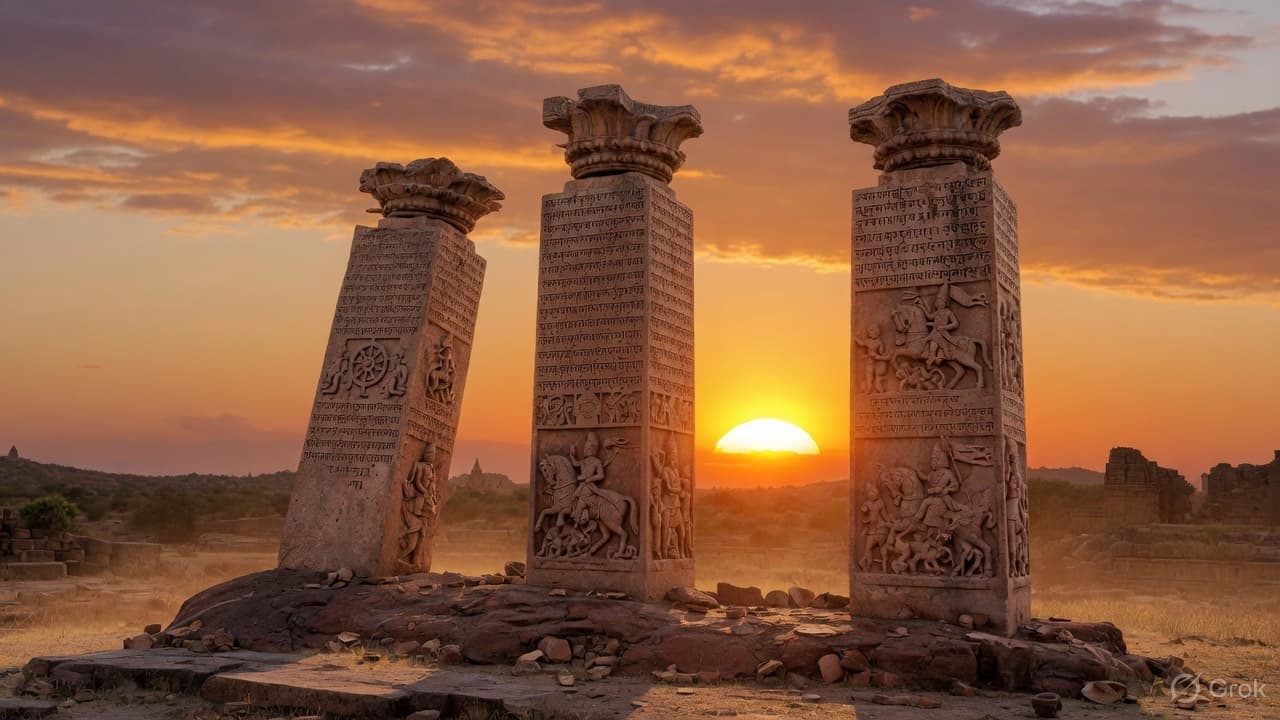
Victory inscriptions
03 — The King of Dashapura
Mandsaur's historical saga
YASHODHARMAN
THE LEGACY OF DASHAPURA
“एक राजा : एक विजय : एक विरासत”
A KING · A VICTORY · A LEGACY
From the ancient land of Dashapura rose Yashodharman — a symbol of courage, unity and cultural brilliance, whose inscriptions and victories remain an important chapter in the history of Mandsaur and Malwa.
Explore His Story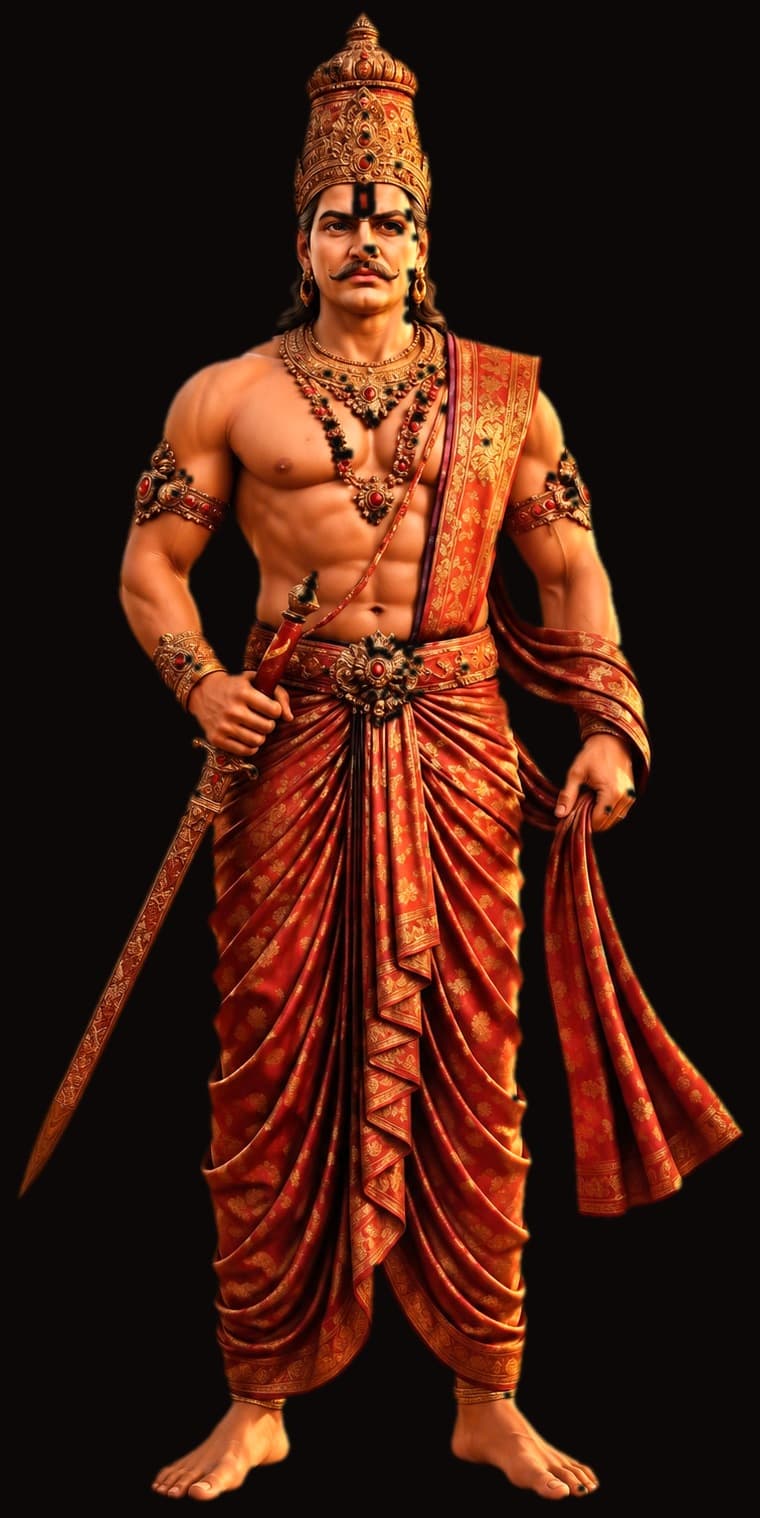
Aulikara · Dashapura · Malwa · c. 6th century CE
“शक्ति संस्कृति समृद्धि”
c. 6th century CE
The era of Yashodharman
528 CE
Victory at Sondani
532 CE
Mandsaur stone inscription
A timeless legacy
Inspires generations
01 — The King
Yashodharman was the foremost Aulikara ruler of ancient Dashapura — today's Mandsaur. His reign in the early sixth century is remembered for the defeat of the Huna king Mihirakula and for Sanskrit inscriptions that still stand near the town.
Read more“एक दूरदर्शी शासक, जिन्होंने मालवा की धरती पर साहस और स्वाधीनता की नई पहचान गढ़ी।”
A far-seeing ruler who gave Malwa a new identity of courage and self-rule.
02 — The Victory
528CE
Sondani · Mandsaur
At Sondani, a few kilometres south of Mandsaur, Yashodharman is remembered for the victory that checked Huna power in central India. Twin inscribed pillars there still carry the memory of that campaign.
Explore Sondani“पत्थरों में दर्ज एक अमर विजय”
03 — The Defeat of Mihirakula
The Sondani pillar inscriptions record that even Mihirakula — the Alchon Hun king whose campaigns had shaken north India — was compelled to pay homage at Yashodharman's feet. It is the victory Mandsaur still remembers in stone.
Historical evidenceMihirakula
Defeated by Yashodharman
A victory remembered in stone
04 — The Empire
The Sondani inscription describes Yashodharman's sway from the neighbourhood of the river Lauhitya (Brahmaputra) to the Western Ocean, and from the Himalayas to mountain Mahendra. That is the king's own epigraphic claim — the map of a name that still carries.
(As described in the Sondani inscription.)
View map“एक साम्राज्य जिसकी गूँज दूर तक थी”
05 — The Inscriptions
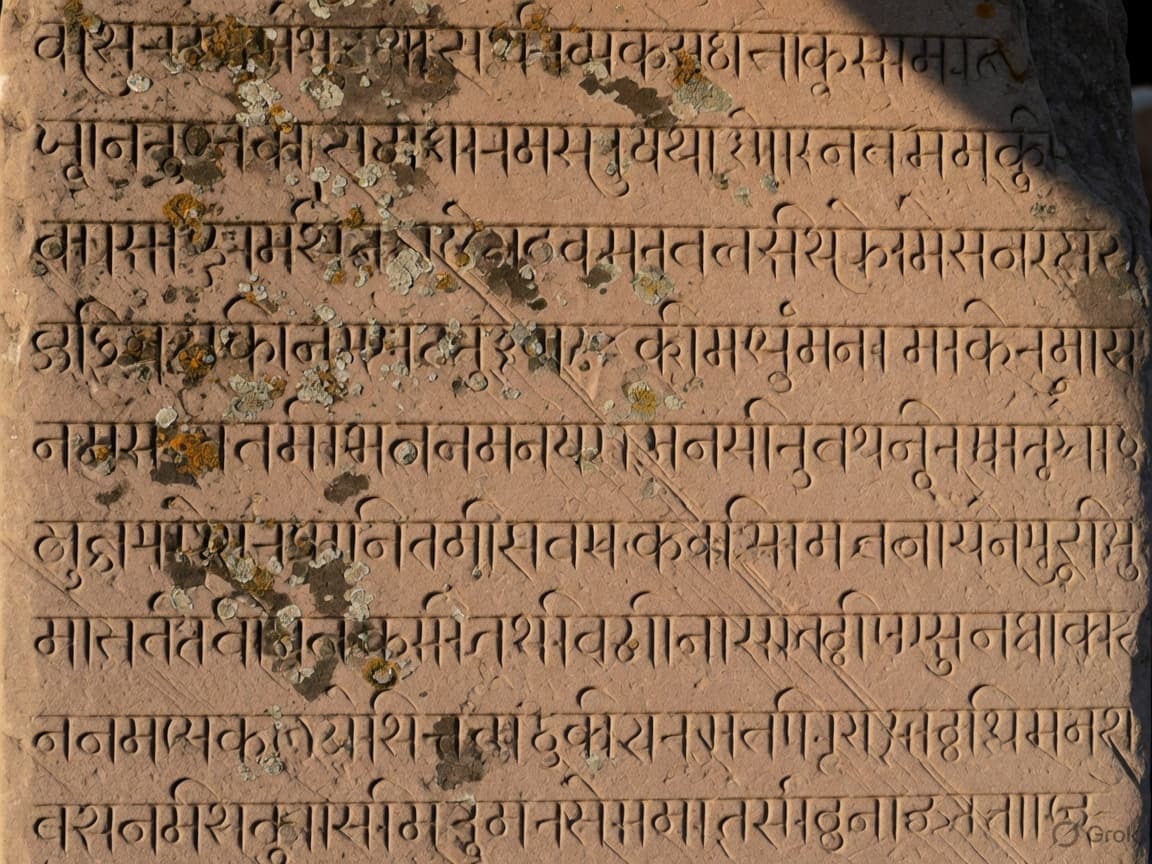
The Mandsaur and Sondani inscriptions — Sanskrit, in the Gupta script, first published by J. F. Fleet in 1886 — remain the principal record of Yashodharman's titles, campaigns and the Aulikara house of Dashapura.
Explore inscriptionsVictory inscriptions
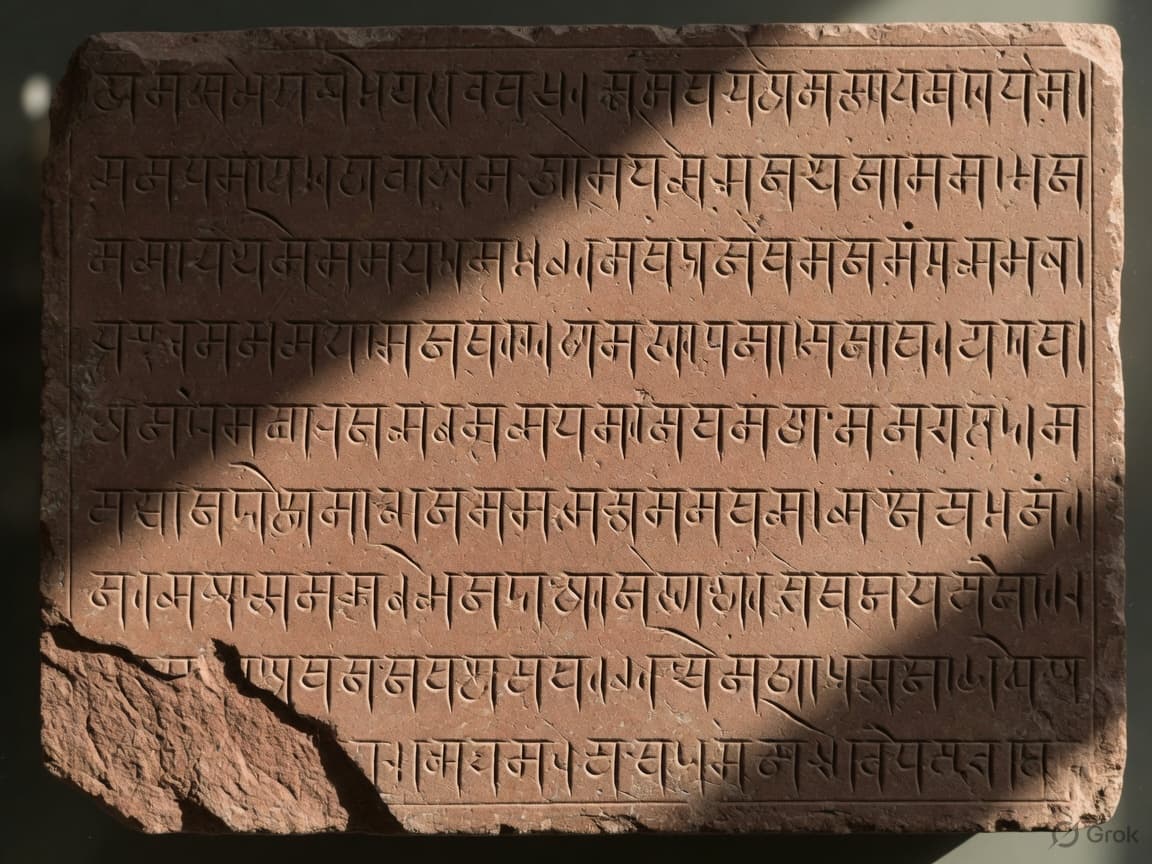
Mandsaur stone inscription
Epigraphic heritage
06 — His Titles
The inscriptional tradition associated with Yashodharman records the imperial titles Rajadhiraja and Parameshvara — 'king of kings' and 'supreme lord'.
राजाधिराज
Rajadhiraja
King of kings
परमेश्वर
Parameshvara
Supreme lord
Titles recorded in the historical inscriptional tradition associated with Yashodharman.
07 — Dashapura
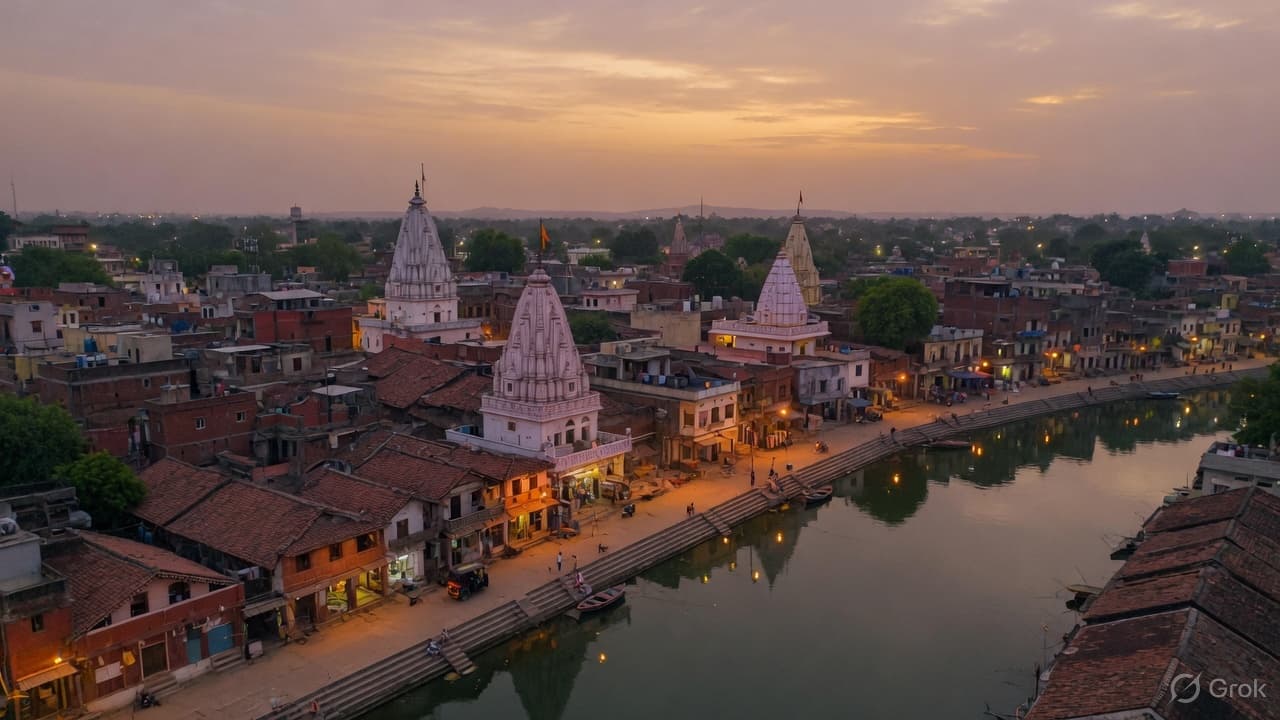
Mandsaur is not only a temple town. It is the same river-bank seat that inscriptions name Dashapura — a royal, cultural and spiritual centre of Malwa.
Discover Dashapura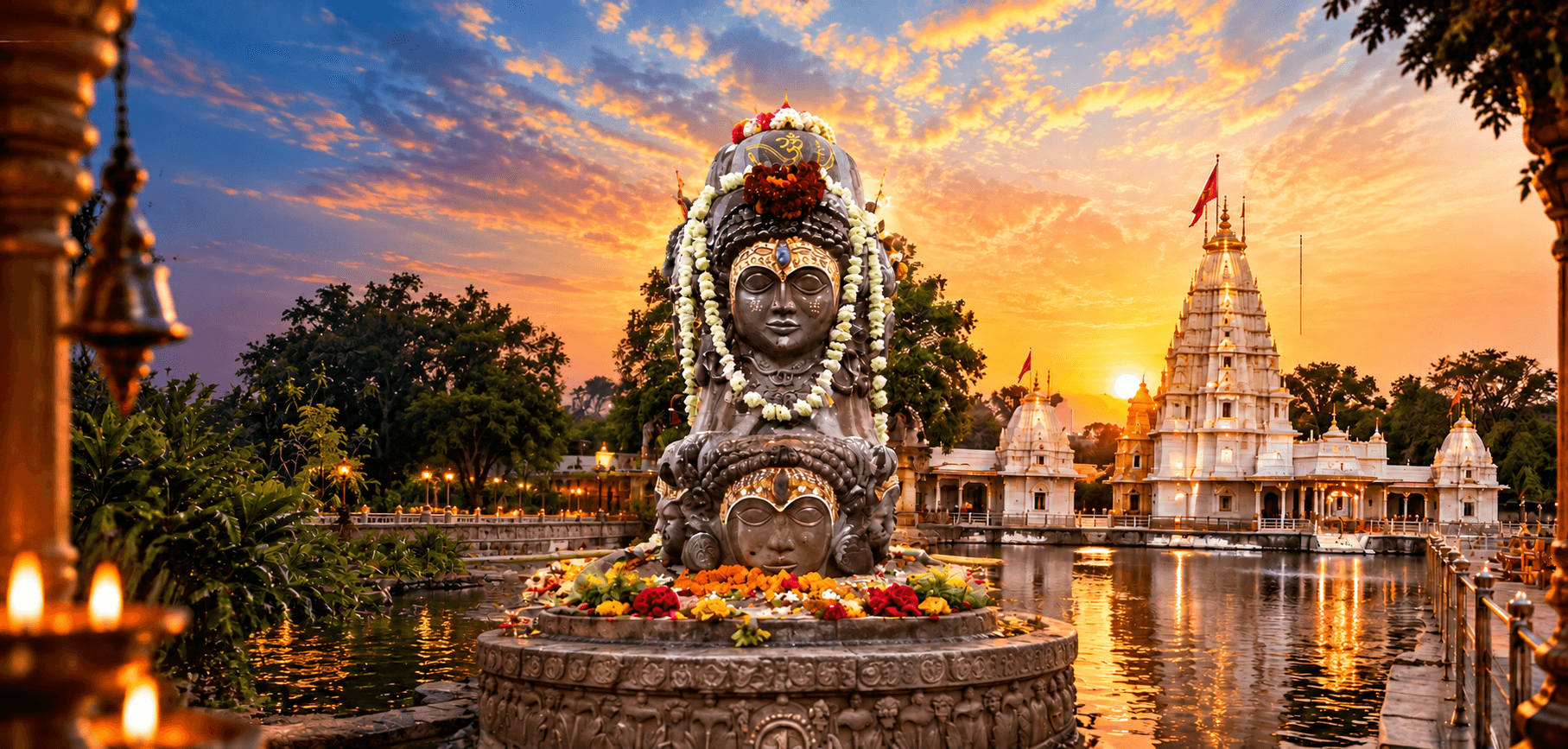
08 — A Living Legacy
Dashapura's ancient memory and today's Pashupatinath Divya Dham share the same soil — Mandsaur's story still runs from the pillars to the sanctum.
See the connection09 — His Enduring Legacy
An influential Aulikara ruler in the history of Malwa.
The Sondani victory and the struggle against Huna power.
Inscriptions that still tell us about his time.
The Yashodharman pillars remain a principal part of Mandsaur's historical identity.
One king. One victory. One legacy.
THE LEGACY OF DASHAPURA
PASHUPATINATH DIVYA DHAM · MANDSAUR
“इतिहास के पत्थरों में आज भी गूँजता है एक विराट नाम”
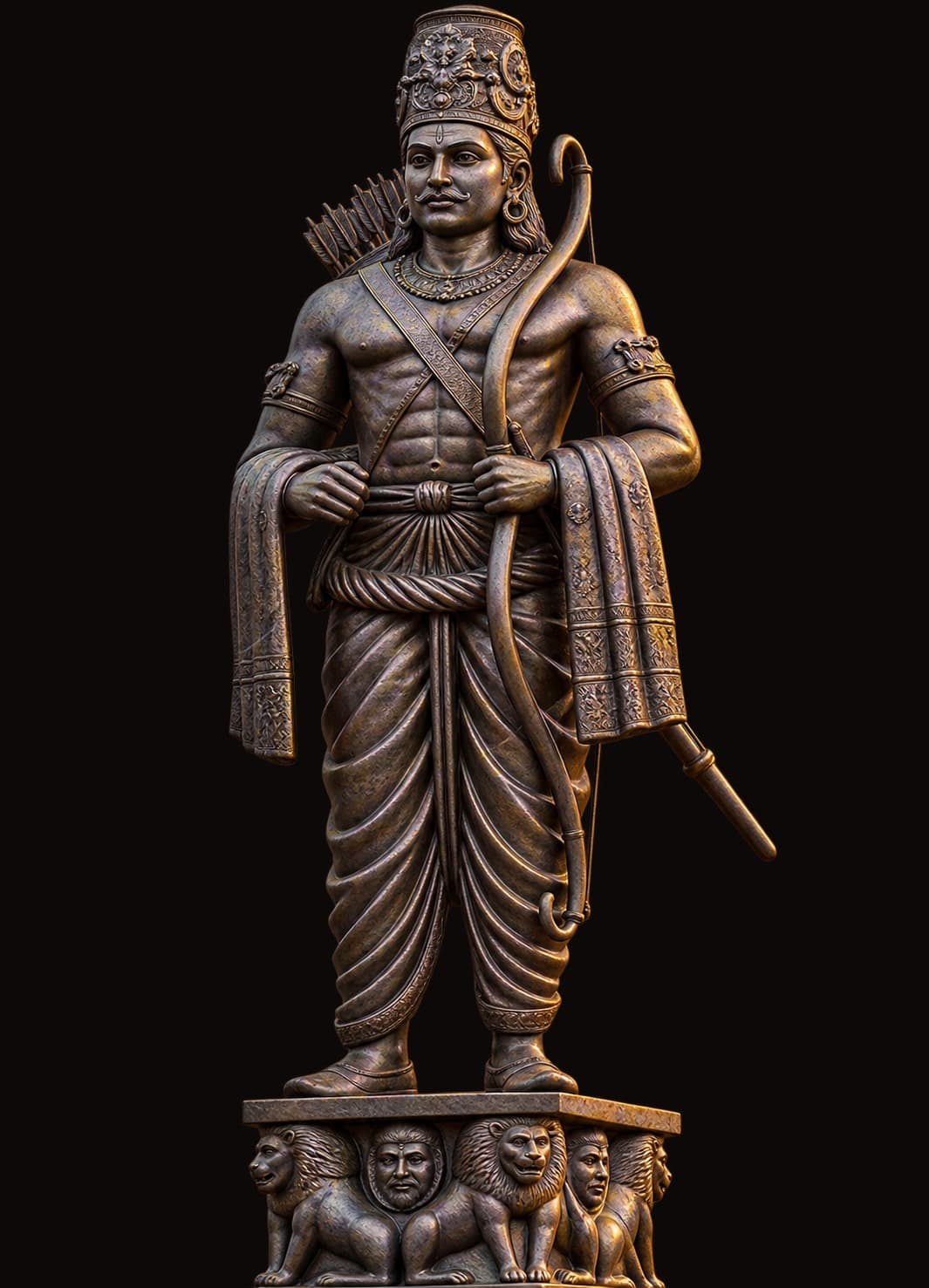
Statue: memorial bronze of Samrat Yashodharman, Mandsaur. Portrait: traditional painting of Samrat Yashodharma. Historical narrative follows the Sondani and Mandsaur inscriptions.